As a digital nomad, you are no stranger to working remotely from all over the world. You might have been to various countries before, but Thailand is one of the best places to work and play.
Thailand has long been a magnet for digital nomads seeking a perfect balance between productivity and paradise. With the country’s warm weather, friendly locals, and stunning scenery, it is no wonder that this Southeast Asian gem is a popular destination for remote workers.
Suppose you are considering Thailand as your next destination for remote work. Here is some good news! Thailand now offers a digital nomad visa to make your stay in the country much easier and longer.
But how about a Thailand digital nomad visa? What are the options, and how can you apply for it? Whether you are a digital nomad or thinking about becoming one, this blog provides the information you need to know about living and working in Thailand in 2023. Read on to find out how to get ready for an unforgettable adventure in Thailand as a digital nomad.
What Makes Thailand The Perfect Country For Digital Nomads
Thailand has become a hot spot for digital nomads and for good reason. This beautiful country offers a unique blend of affordability, great weather, delicious food, and a friendly culture welcoming foreigners.
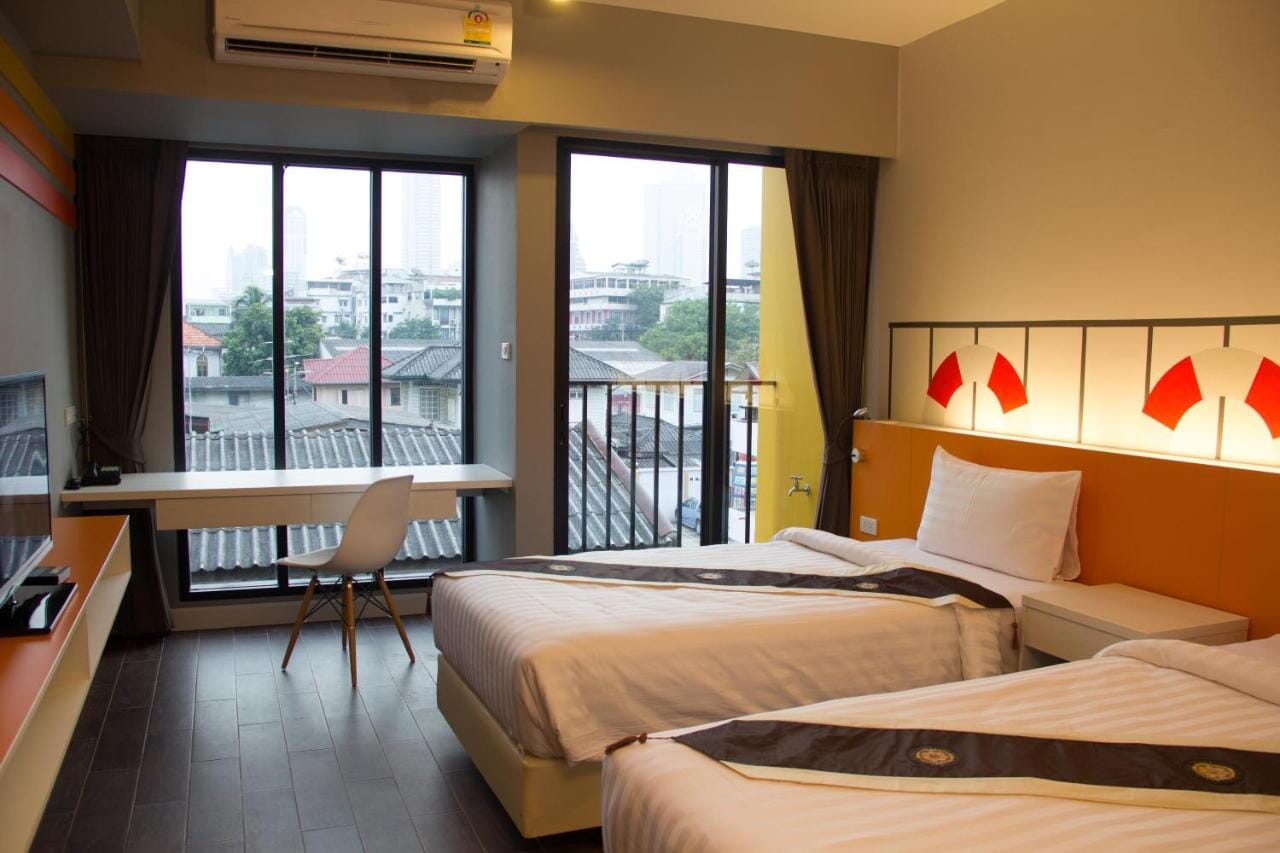
Digital nomad Thailand is perfect because the cost of living is low, allowing you to stretch your budget further. You can find great accommodations and tasty street food at affordable prices, giving you extras to explore the country and enjoy all it has to offer.
Being one of the most popular digital nomad countries means a community of like-minded individuals surrounding you. You’ll meet folks who understand the struggles and triumphs of this lifestyle. From cool co-working spaces to awesome meetups, you’ll have many opportunities to connect, collaborate, and make lifelong friends.
Additionally, the weather is always warm and sunny, making working from anywhere within the country easy. Of course, do not forget about the stunning natural beauty that Thailand has to offer! From beaches to mountains, there’s no shortage of inspiring landscapes to discover.
Is there a digital nomad visa in Thailand?

There are many visa options for digital nomads who desire to stay and work in Thailand for an extended period. The procedure can occasionally be challenging, like other visas, but obtaining the required documentation is doable.
Fulfil certain eligibility conditions, such as having a legitimate identity, a reliable source of income, and evidence of work with a foreign firm. Stay for an extended period, typically more than a year.
You may use your device to work anywhere in Thailand after you get the visa. Be free to work when and where you choose, whether unwinding in Chiang Mai, soaking up the sun in Phuket, or finding inspiration in Bangkok. Remember that information may change, so confirming the most recent specifics with the Thai embassy or consulate is best.
The Different Visa Options For Digital Nomads In Thailand
Thailand offers various visa options for digital nomads. Whether you want to stay for a short period or a longer one, there is a visa option that suits your needs. Here are some of the popular Thailand digital nomad visas:
Long-Term Resident
Thailand has recently brought a visa into function known as Long-Term Resident (LTR). This visa is for those who want to stay in Thailand long term. A Long-Term Resident visa allows you to live and work in the country for up to 10 years.
As a digital nomad, this is incredibly beneficial because it means you can settle in and make Thailand your home away from home. You won’t have to worry about visa runs or constantly renewing your visa every few months. A long-term residency visa also means more stability and legal status in the country. This visa makes things like renting an apartment or opening a bank account much easier.
Smart-S
If you are a digital nomad looking to establish a business in Thailand, Smart-S or Startup Visa is worth considering. This visa provides a great opportunity to grow your business while enjoying all Thailand offers.
The Smart-S visa is a one-year visa that can be extended if you meet certain requirements, such as having a certain amount of capital investment. Smart-S allows industrialists and digital nomads to work legally and live in Thailand while pursuing business ventures. The visa also comes with other perks, like access to government services, networking opportunities, and mentorship programs.
Thailand Digital Nomad Visa – FAQs

Thailand has launched a new visa specifically designed for digital nomads like you. This visa will allow you to stay in Thailand for more than a year while working remotely for your employer or business. But, before you start packing your bags, you probably have some doubts. Here are the remarks to some of the frequently asked questions to serve as your comprehensive guide.
Which visa is best for digital nomads in Thailand?
If you want to live and work in Thailand, LTR is the most popular visa among digital nomads. A 10-year long-term residency visa gives you the peace of mind that you can stay in Thailand long without worrying about renewing your visa. You can settle down and make Thailand your home base as a digital nomad.
Another great advantage of the 10-year long-term residency visa is that you can apply for a work permit, which allows you to work legally in Thailand. This visa can be incredibly valuable if you are planning to do business or work with Thai clients while you are there.
Subsequently, an LTR visa allows you to open a bank account and apply for services you may need as a digital nomad, like a Thai phone number or internet service. This attribute can make your life much easier and more convenient while working remotely from Thailand.
Is it legal to work remotely in Thailand?
Working remotely in Thailand is accepted if you are just doing some work for a foreign company while travelling in Thailand. But if you plan on working for a Thai company, it is best to consult a legal professional to comply with laws and regulations.
Thailand is one of the fastest-growing hubs that cater to digital nomads. As an action, the country has issued visas specifically for remote workers who want to live and work there. Hence, as long as you comply with the right visa and Thailand’s digital nomad requirements, working remotely in the country is perfectly legal.
Is an online visa available for Thailand?
Thailand offers an online visa option called the eVisa or eVisa on arrival (eVOA) system. This method allows you to apply for a visa online without visiting the Thai embassy. You can conveniently access the official Thai immigration website to fill out the application form and submit it electronically.
But before you proceed with resorting to an online application, you must first check the list of eligible nations. As not all nationalities can get a certain visa, confirming the inclusion of your country of origin is essential. Also, be mindful that some electronically processed visas are only valid for certain types of visits and have a limited duration of stay.
Applying for an online visa requires you to provide your passport information, travel itinerary, and other necessary documents. Ensuring all the required documents are ready before the application process is essential. Once you’ve completed the form and paid the visa fee, the Thai immigration authorities will review your application.
Is digital nomad legal in Thailand?
Thailand is a digital nomad-friendly country where you can pursue your remote work adventure without legal complications. No specific laws or regulations prohibit you from working remotely in the country.
But it is important to respect the rules and regulations of the country. While you can work remotely from various locations, setting up a physical office or engaging in local employment is prohibited. You also cannot be employed by any Thai company or earn income from local clients.
It is also important to remember that it might not be as simple as it seems to work as a digital nomad in Thailand. Finding employment prospects will need self-discipline and initiative because there can be linguistic and cultural hurdles to go beyond. If you abide by these guidelines, you could enjoy the freedom of a digital nomad in Thailand.
How much is a digital nomad visa in Thailand?
Recently, Thailand created unique visas designed specifically for digital nomads, enabling you to stay in the country for more than a year while working remotely. However, the cost also varies based on the sort of visa you have for digital nomads.
For instance, LTR visas may cost as much as 10,000 Thai Baht ($314) annually. Comparatively, a Startup visa in Thailand may cost as much as 7,600 Thai baht, or about $240. Depending on your nationality, age, and duration of stay, the cost of both visas may vary.
But in addition to the visa price, there can be other costs, such as visa application or any necessary medical examinations. So make sure to investigate this in advance. But altogether, the Thai digital nomad visa is a reasonably priced choice for anyone wishing to live and work remotely in a stunning and culturally diverse nation.
Do foreigners pay taxes in Thailand?
Although it’s the law for foreigners residing in Thailand to pay taxes, the amount depends on your residency status, which is established by your duration of stay and other variables. You will be classified as a non-resident if you don’t meet Thailand’s tax resident standards. Taxes are frequently levied on non-residents on the only income generated, sometimes known as income originating in Thailand.
Your foreign earnings will be subject to a Thai surcharge if you meet the measures to be regarded as a tax resident of Thailand. Once confirmed, you must report your domestic and international revenue from employment, enterprises, rents, and acquisitions if you are a tax resident. You may also be eligible for several of Thailand’s tax markdowns, privileges, and immunities.
It is good to confer with a tax whiz who can walk you through the procedure because the Thai tax system could be intricate. But the fact remains that you will most likely have to disburse taxes if you work while living in Thailand.
Can you bring your dependents on the LTR Visa for Thailand?
If you plan to get an LTR (Long-Term Resident) visa for Thailand, it is great that you’re also thinking about your dependents. When bringing your family along, the rules might vary a bit depending on the specific requirements set by the Thai immigration authorities.
Dependents refer to your spouse, children, or parents who rely on you for financial support and care. You must apply for their visas separately and provide the necessary documents and fees to bring them with you. Once they are approved, they can join you in Thailand.
Remember that depending on the type of dependent visa you are applying for and your circumstances, the criteria, and processes may change. Conducting research and speaking with your country’s Thai embassy or consulate is important to ensure you have all the relevant information.
Overall, bringing your dependents on the LTR visa for Thailand is possible. So, if you plan to move to Thailand long-term, you can rest assured that you won’t have to leave your loved ones behind.
Conclusion
Thailand digital nomad visa is your golden ticket to staying in this beautiful country hassle-free. Just imagine soaking up the sun on pristine beaches while you work remotely – it’s a dream come true!
Remember that this visa does not give you a work permit to dive into Thai job opportunities. But you can still work remotely for clients outside Thailand or stick with your current employer.
If you’re ready to explore all the country’s wonders while working, apply for the right visa and embrace Thailand’s digital nomad life.