As you embark on your new adventure of living abroad for the first time, the unknown can feel both thrilling and frightening. While the experience of engaging yourself in a new culture is rewarding, navigating daily life in a foreign country presents challenges.
However, with some practical preparation and the right mindset, you can feel at home abroad in no time.

The Benefits of Living Abroad
When you live in a foreign country, you’re pushed out of your comfort zone. This encourages you to learn new things, develop resilience, and become more adaptable.
Aside from that, living abroad offers a multitude of benefits, including:
- Broadening your perspective and cultural awareness.
- Enhancing your job prospects and career growth.
- Opening doors to unique travel opportunities.
- Accelerates language learning through constant practice and exposure.
15 Tips for Living Abroad
Here are fifteen essential tips to help you adapt to living in a different country:
1. Start Saving Money
Living in a foreign country often comes with unexpected costs and expenses. Make a budget for essential living costs like rent, groceries, and transportation. Factor in costs for things you take for granted at home, like healthcare or mobile phone service. Research the average costs of living for necessities in your new city. Save enough to cover 6-12 months of expenses if finding work takes longer.
2. Apply for Your Passport ASAP
Passports can take 4 to 6 weeks to process, so start the application process at least 3 to 4 months before your planned departure date.
To apply for a passport, you must provide documentation, like government-issued birth. You must also provide a government-issued photo ID, a 2-inch by 2-inch photo of yourself, and payment of the required passport application fees.
3. Find Your New Home
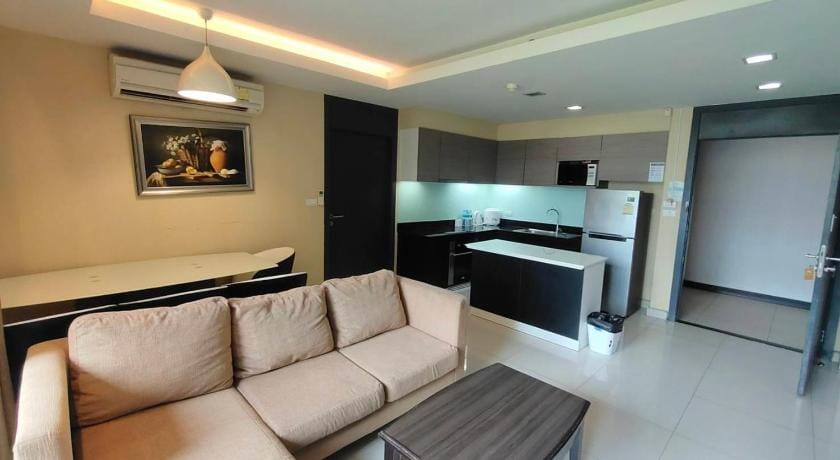
Consider if you prefer an apartment, house, or flatshare. Flats or apartments are most common for expats and are often easier to rent. House rentals provide more space but usually have higher costs.
Aside from that, furnished rentals include essential furniture and appliances so you can move right in. Unfurnished means you provide your own, which may require buying and shipping large items. Furnished is more convenient but typically costs more in rent.
With some research into locations and options, you can find a new home abroad that meets your needs and makes settling into your new country much smoother.
4. Prepare Your Family
To prepare your family for living in a different country, have honest conversations about what to expect. Discuss potential challenges like:
- Culture shock and homesickness: Reassure them it’s normal and will pass.
- Language barriers: Decide how to learn the local language and handle daily tasks.
- Learning new customs: Respecting cultural norms will help you adjust. Do research on appropriate greetings, etiquette, and taboos.
5. Apply for a Visa
To legally enter another country for an extended stay, you must apply for the proper visa. The type of visa will depend on the purpose and length of your visit. Typically, the most common types of living abroad are:
- Long-stay or residence visas: Allow you to live in a country for 6-12 months or longer. Requirements vary but typically include proof of funds, health insurance, etc.
- Work visas: Required if you plan to work in the country. Your employer will usually sponsor you and help you obtain the proper work authorization.
- Student visas: For studying at an accredited school or university. You must provide proof of enrollment and funds to cover tuition and living expenses.
The application process typically involves submitting documents like a valid passport, proof of funds, medical clearance, and visa application form. Processing times and fees vary between countries and visa types. Starting the application at least 3-6 months before your trip is best.
6. Stay Patient
Staying patient is key when living in a different country for the first time. Challenges, confusion, and culture clashes will occur. Don’t get frustrated. Take a deep breath and remember why you wanted this experience.
Living abroad is a journey, not a destination. Maintain an open and curious mindset, embrace new experiences for what they are, and remember that every challenge you face will make you grow in patience and understanding.
7. Consider Health Care
As a foreigner, you won’t have access to your home country’s health system. You’ll need to find coverage in your new country of residence.
Do some research on the healthcare system in your destination country. See if they have universal healthcare, government-subsidized care, or private insurance models.
Also, check if your current insurance plan offers coverage overseas or look into international private insurance. Ensure you understand what is covered, average costs, quality of care, and available facilities. Be prepared for differences in standards of care compared to your home country.
8. Register with STEP
Registering with the Smart Traveler Enrollment Program or STEP allows the local U.S. embassy or consulate to contact you in case of an emergency. As soon as you move abroad, go to step.state.gov to enter details about your trip.
Provide information like your destination, travel dates, and local contact details. The embassy can then reach out if there’s a crisis in the area, like political unrest, a natural disaster, or health issues. They may alert you to shelter in place or evacuate.
Registering with STEP is free and voluntary but highly recommended.
9. Do Plenty of Research
Planning and preparation are key to a successful move overseas. Do extensive research on all aspects of life in your new country. The more you know before you go, the easier your transition will be.
10. Contact Your Bank
Before moving abroad, notify your bank and credit card companies of your new address and expected travel dates. This prevents them from flagging your card for fraud when charges appear from another country.
Also, give them details on where you’ll live and how long you expect to be gone. Ask about international fees for using your cards and withdrawing cash abroad and if they have any partner banks with no ATM fees in your new country. Opening a new bank account with a major international bank with home and away locations may be worthwhile.
11. Get a New Phone Plan
Most likely, your current carrier’s plan won’t work internationally or will charge high roaming fees. Buy an international SIM card before leaving home that will provide coverage in multiple countries. You get a SIM card to insert into your phone and can then add minutes, texts, and data as needed for over 190 countries. Rates vary, but you can save money over roaming with your regular carrier.
12. Call Your Accountant
As an expatriate, you may face complex tax situations. Meet with your accountant to determine if you will be subject to taxes in your new country of residence and your home country. They can also help you take advantage of any tax treaties between the countries to avoid double taxation.
Your accountant should review your tax withholdings and see if any adjustments need to be made before you leave. They may also suggest setting up a foreign trust or corporation to manage your assets properly. These types of financial structures provide legal and tax benefits for expats.
13. Make Copies of Important Documents
When moving abroad, make copies of all your important documents in case anything gets lost or stolen. Make copies of your passport, driver’s license, birth certificate, bank statements, credit cards, insurance cards, and other vital records. Keep one set of copies with you and leave another with a trusted friend or family member back home.
If possible, have your documents translated into the local language if you must provide copies to authorities. Some countries may require documents like degrees or marriage certificates to be officially translated and notarized.
14. Connect with Your Fellow Ex-pats
Connecting with other expats in your new home can help ease the transition and relieve feelings of isolation or culture shock. Search online for Facebook groups, Meetups, or clubs in your area targeting expats. Many major cities have organizations specifically for networking and socializing. Join and start attending events to meet like-minded people in similar situations.
15. Consider Your Transportation
Considering transportation in your new home abroad is essential. There are a few options to keep in mind:
Public Transit
Familiarize yourself with the local bus, rail, and subway routes and schedules. Public transit is often cheaper than taxis or rideshares and a great way to explore your new city.
Taxis and Rideshares
Register for taxi and ridesharing apps like Uber, Lyft, or local services to easily get around, especially at night or in bad weather. Fares may be higher than public transit, so only use them occasionally.
Planes, Trains, and Automobile
Trains and budget airlines are popular for regional trips, while major airlines can take you anywhere. Renting a car allows maximum flexibility to explore at your own pace.
Conclusion
While the experience will still be full of surprises, following this advice will help you avoid major mistakes and make the most of your time in a new country. Living in a foreign country can be challenging but also incredibly rewarding. Keep an open mind, be willing to learn, and stay patient with yourself and others.